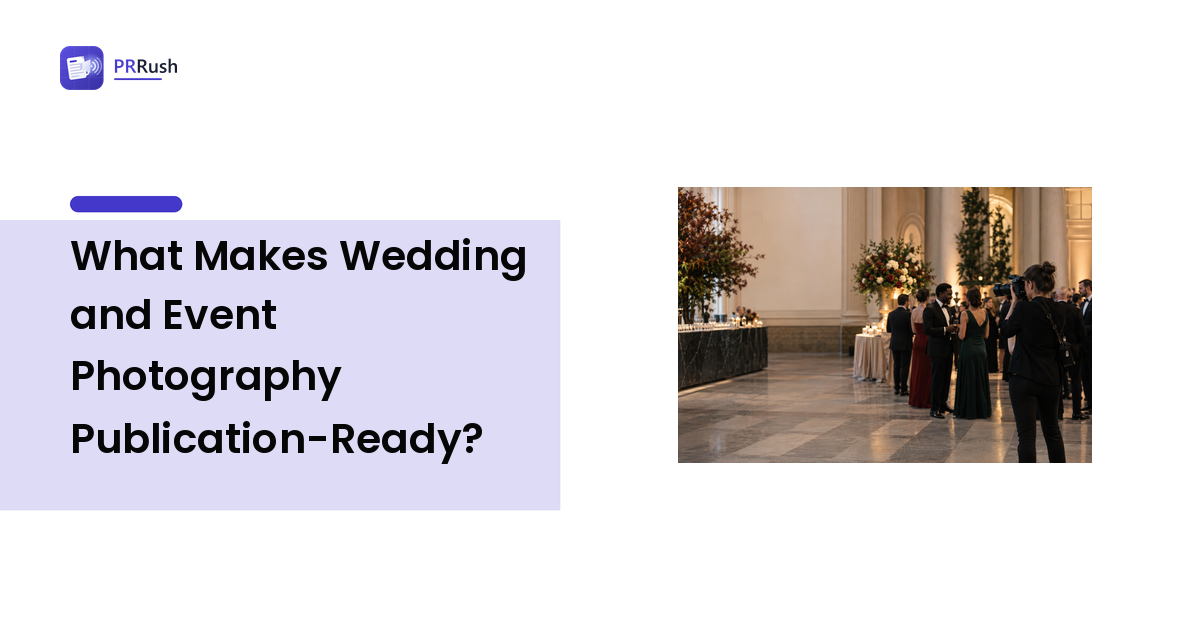
The photographs that matter most to a couple and the photographs an editor can publish are not always the same files. A family may treasure a close emotional reaction; an editor may need a horizontal scene with room for a headline, a clear view of the venue, accurate credits, and written permission to use it.
This does not mean turning a wedding or event into a publicity shoot. It means planning a small set of practical assets alongside authentic coverage, then packaging them so an editor can understand and use them quickly. The photographer's first responsibility remains the real celebration. Publication readiness is a layer of preparation, not a replacement for photojournalism.
What a Washington DC event photographer should capture for publication
Editors and communications teams need visual variety. One spectacular portrait cannot cover every use. A useful publication set normally includes:
- A wide establishing image that shows location and scale.
- A horizontal key image with some clean space for a headline or crop.
- A vertical image for mobile layouts, magazine pages, and social formats.
- Recognizable people in action, not only posed groups facing the camera.
- Specific details that support the story: signage, design, food, awards, or cultural elements.
- A clean portrait of the principal people when identification matters.
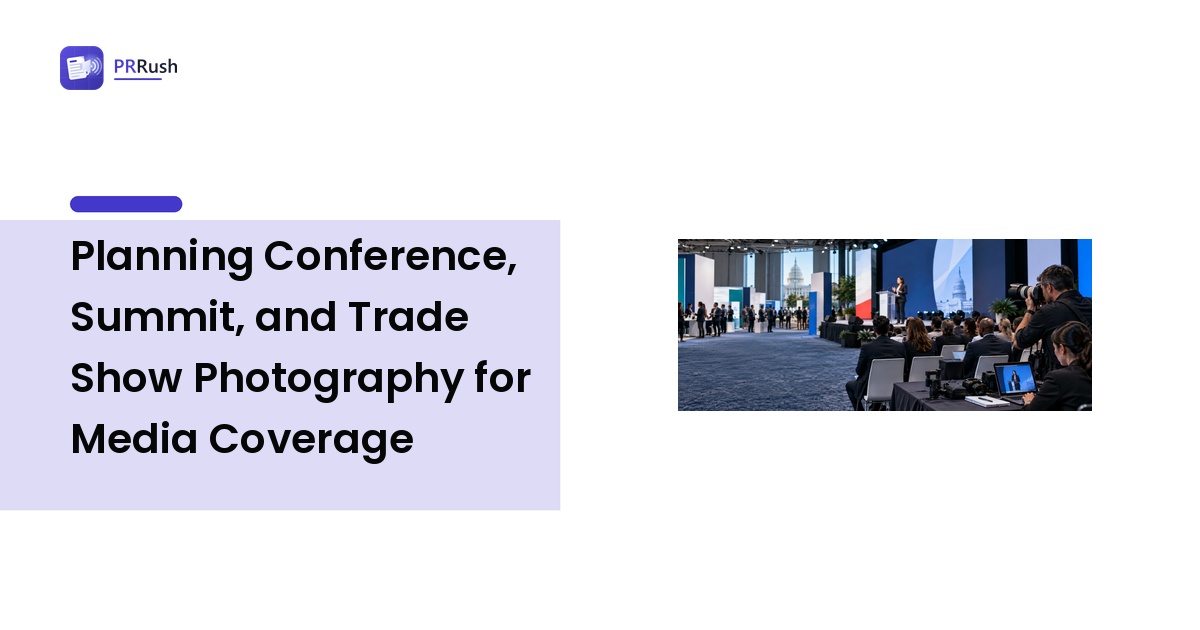
For a wedding, that might mean a venue scene, an unscripted interaction, one strong couple portrait, and details tied to the location or traditions. For a conference, gala, or nonprofit event, it may include speakers, audience response, sponsor visibility, and the room in use.
A capable Washington DC event photographer should be able to preserve this range without making guests feel as though every moment is staged. Photojournalism by Rodney Bailey is relevant here because the studio covers weddings, engagements, and events through a documentary approach and has more than 30 years of experience across the DC region. That breadth matters when one gallery may serve personal memories, vendor portfolios, and public communications at the same time.
Start with the story, not the submission form
Before requesting photographs, decide what makes the event worth sharing. “We held a wedding” or “we hosted a gala” is not an editorial angle. The story may be a meaningful family tradition, an unusual use of a historic venue, a community outcome, a design collaboration, or a milestone for an organization.
Photography supports that angle by providing evidence and atmosphere. It cannot create news value that is not there. Our brand storytelling guide uses the same principle: name the real story first, then select assets that prove it.
Write the angle in one sentence before the event. Share it with the photographer as context, not as a demand to recreate scenes. This helps the photographer notice the relevant people and details while still documenting what actually happens.
Engagement photographs need both intimacy and flexibility
Engagement images often have several jobs: a personal announcement, wedding website, save-the-date, newspaper submission, or profile accompanying a story. Tell your DC engagement photographer about those uses before the session.
Request a small range rather than many versions of the same pose:
- One horizontal composition with breathing room.
- One vertical portrait with both faces clearly visible.
- One closer frame that reads well at a small size.
- One image that establishes Washington, DC, Maryland, or Northern Virginia without relying on a distracting landmark pose.
The location should support the couple rather than overwhelm them. A regional photographer can help judge light, access, and crowd patterns, but familiarity is useful only when it produces a calmer session and a stronger set of files.
Build credits and permissions while details are fresh
Many submissions stall because nobody knows who must be credited or whether everyone has approved publication. Prepare the information as soon as the gallery arrives.
For a wedding submission, keep a simple document containing:
- Couple's names exactly as they should appear.
- Event date and location.
- Photographer's preferred credit line.
- Planner, venue, florist, designer, and other relevant vendor credits.
- A concise description of the story angle.
- Confirmation of who is authorized to approve image use.
Usage rights matter. Receiving a gallery does not automatically mean every file may be supplied to a publication, vendor, or advertising campaign. Ask the photographer what the agreement permits and whether a publication should request a separate license. This is a contract question, not something to guess from a download button.
For a Maryland wedding photographer or Northern Virginia wedding photographer, the same process applies. Regional boundaries do not change copyright or publication requirements.
Deliver files that editors can actually use
Do not send screenshots, social-media downloads, or a link to hundreds of uncurated images. Select a focused set and make it easy to review.
A practical package includes:
- A contact sheet or small preview folder.
- High-resolution files available separately.
- Descriptive filenames rather than camera numbers alone.
- A caption document matching each filename.
- Photographer and vendor credits.
- A short permissions note and contact for follow-up.
The structure resembles a focused press kit: the recipient should understand the story, identify the assets, and know whom to contact without searching through an email chain.
Keep editing truthful. Basic color and exposure work is expected, but do not alter an image in a way that misrepresents who attended, what happened, or what the setting looked like. Credibility is more important than polish.
Coordinate without interrupting real coverage
Publication needs should occupy a small, explicit part of the photography brief. Share them early, identify the essential people, and reserve a few minutes if a clean group or detail image is genuinely required. Then let the photographer return to documentary coverage.
This boundary protects the experience. A wedding should not become a sequence of media requests. A gala should not lose candid guest interaction because every sponsor mark is being staged repeatedly. The best publication assets often come from real activity framed with enough context to tell the story.
Frequently asked questions
Do I need a separate photographer for editorial submissions?
Usually not. Discuss the intended uses with the primary photographer before the event so the gallery includes a small set of flexible horizontal, vertical, wide, and close images.
Can a venue or vendor publish wedding photographs?
Not automatically. Permission depends on the photographer's agreement and the couple's approvals. Ask before supplying files and give the required credit.
What file size should I send to a publication?
Follow the publication's specifications. Send previews for selection when appropriate, then provide the requested high-resolution files rather than screenshots or compressed social downloads.
Is it safe to email the whole gallery?
It is rarely useful. Curate a focused selection, confirm permissions, and use a controlled gallery or transfer link. Keep private or sensitive images out of the submission set.
Publication-ready photography begins with truthful, varied coverage and ends with disciplined packaging. Couples, planners, and organizations can review Photojournalism by Rodney Bailey when they need documentary wedding, engagement, or event photography across Washington, DC, Maryland, and Northern Virginia, then discuss any editorial uses before the schedule is finalized.